Types of CCTV Cameras Explained: Which Suits Your NZ Business?
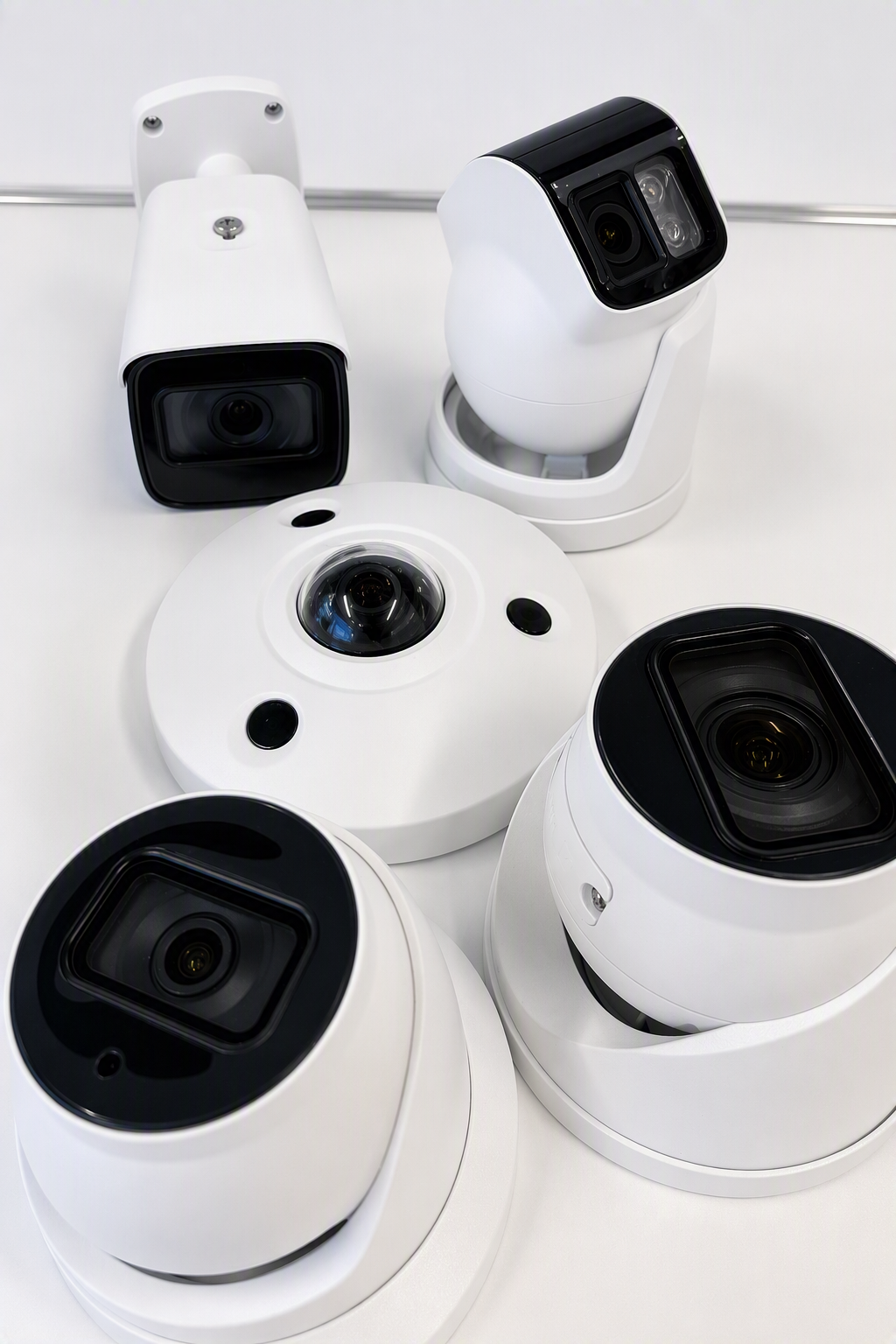
The various types of CCTV cameras
Choosing the right type of CCTV camera matters as much as choosing the right brand or resolution. Using the wrong camera type for a given spot; a PTZ where you needed a discreet dome, or a narrow bullet camera where you needed wide coverage is one of the more common reasons a CCTV system underperforms despite decent hardware.
Key takeaways:
Dome and turret cameras suit discreet indoor coverage (retail, offices, hospitality)
Bullet cameras suit visible, long-range outdoor coverage (entrances, perimeters, car parks)
PTZ cameras suit large open areas needing flexible, wide-reaching coverage (warehouses, yards)
Fisheye/360° cameras suit monitoring a whole room from one ceiling mount (small-to-medium open floors)
Most real systems mix camera types rather than using one type across a whole site
Here's a plain-English guide to the main camera types and where each one actually fits.
Dome Cameras
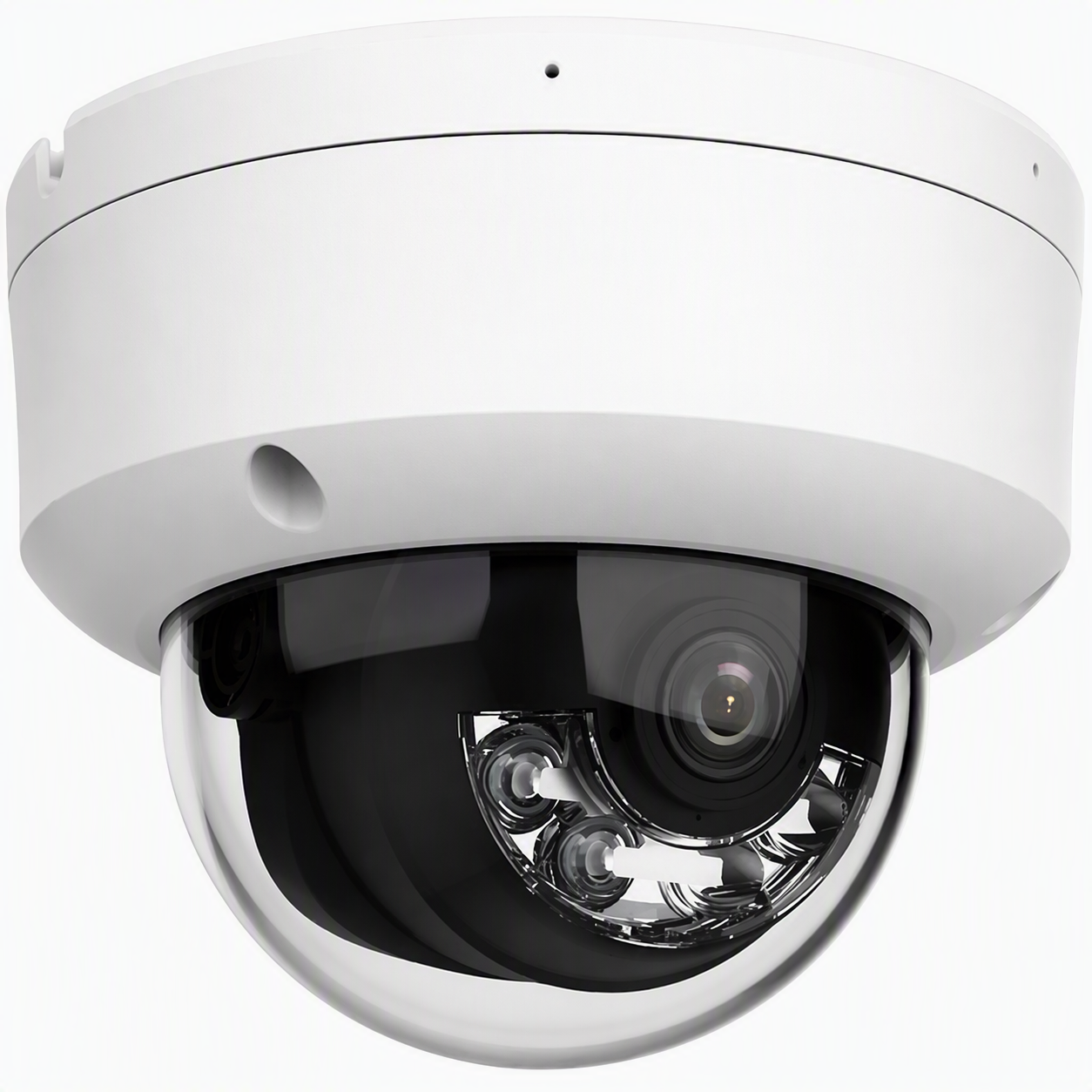
Dome Camera
What they are: Camera housed in a dome-shaped casing, usually ceiling-mounted, with a smoked or tinted cover that makes it harder to tell exactly which direction the lens is pointing.
Strengths:
Discreet, the tinted dome makes the viewing angle less obvious, which can be a deterrent in itself
Vandal-resistant housings available, good for areas with public access
Neat, low-profile look suited to customer-facing spaces
Best suited to: Retail stores, offices, reception areas, and anywhere the camera needs to blend into the ceiling rather than stand out.
Bullet Cameras
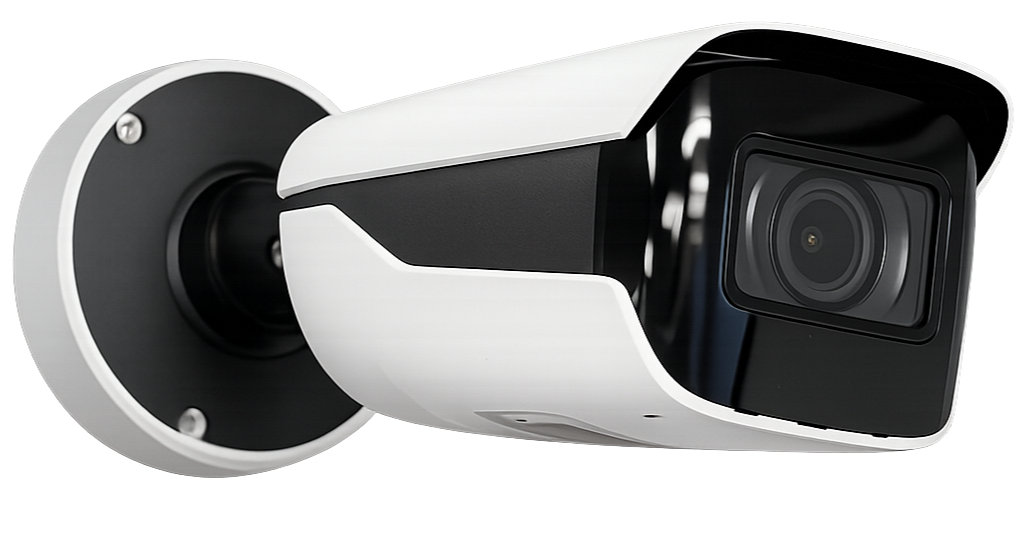
Bullet Camera
What they are: Cylindrical, wall-mounted cameras with a visible lens pointing in one clear direction.
Strengths:
Long-range viewing, often with strong night vision
Highly visible, the obvious "this area is monitored" look works as a strong deterrent
Typically weatherproof, built for outdoor use
Best suited to: Entrances, car parks, perimeters, and loading areas, anywhere you want both real coverage and a visible deterrent.
PTZ (Pan-Tilt-Zoom) Cameras
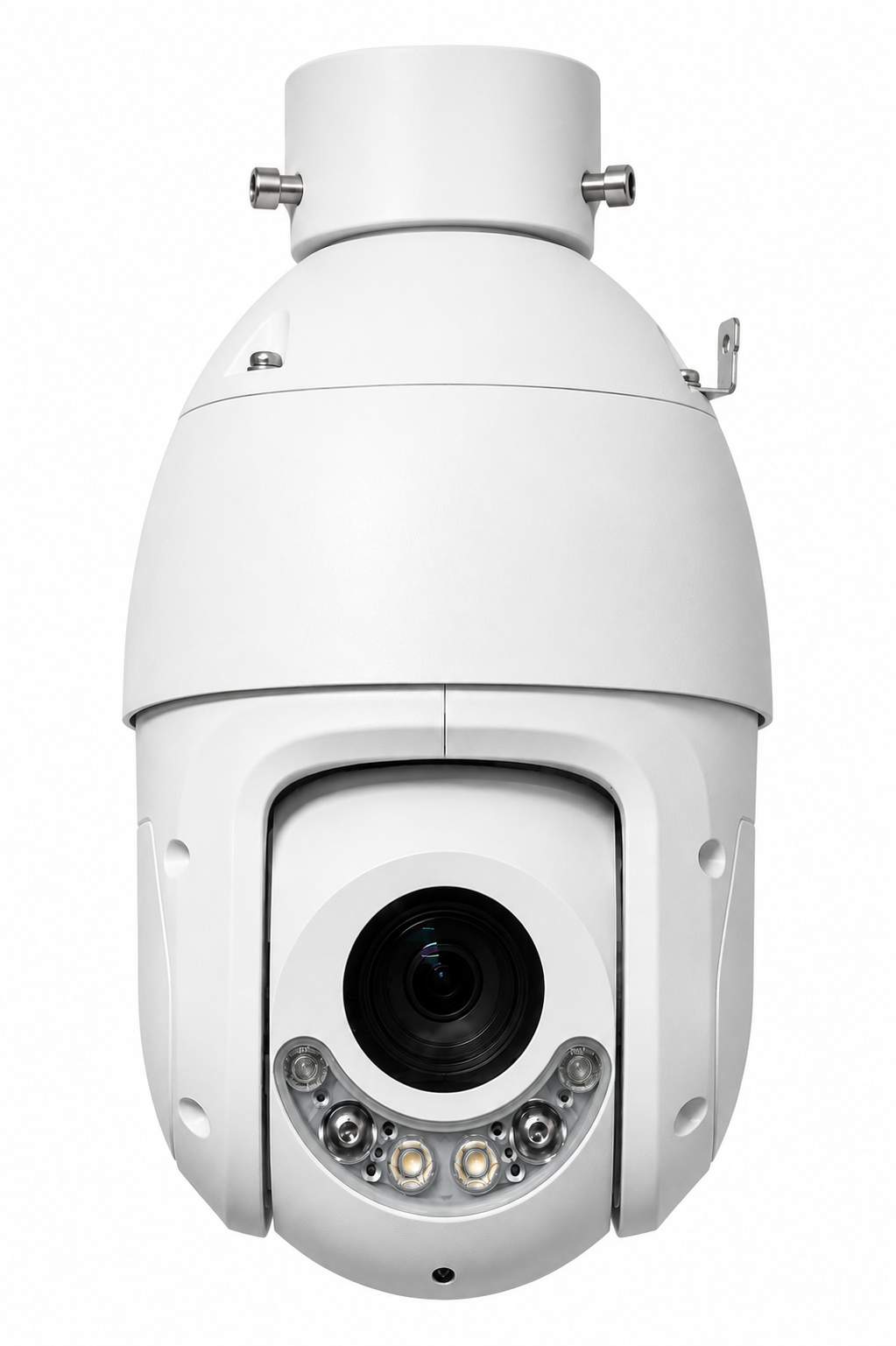
PTZ Camera
What they are: Cameras that can be remotely controlled (manually or via automated patterns) to pan, tilt, and zoom, covering a much larger area than a fixed camera.
Strengths:
One camera can cover what would otherwise need several fixed cameras
Zoom capability allows close-up detail on demand. Useful for verifying an incident in progress
Some models support auto-tracking of movement
Trade-offs:
Higher cost per unit than fixed cameras
Being remotely aimed elsewhere means it can miss something happening outside its current view at that moment. A real limitation if not paired with fixed cameras for full-time coverage of key spots
Best suited to: Warehouses, large yards, car parks, and other expansive areas where flexible, wide-reaching coverage matters more than fixed, guaranteed framing of one exact spot.
Turret Cameras
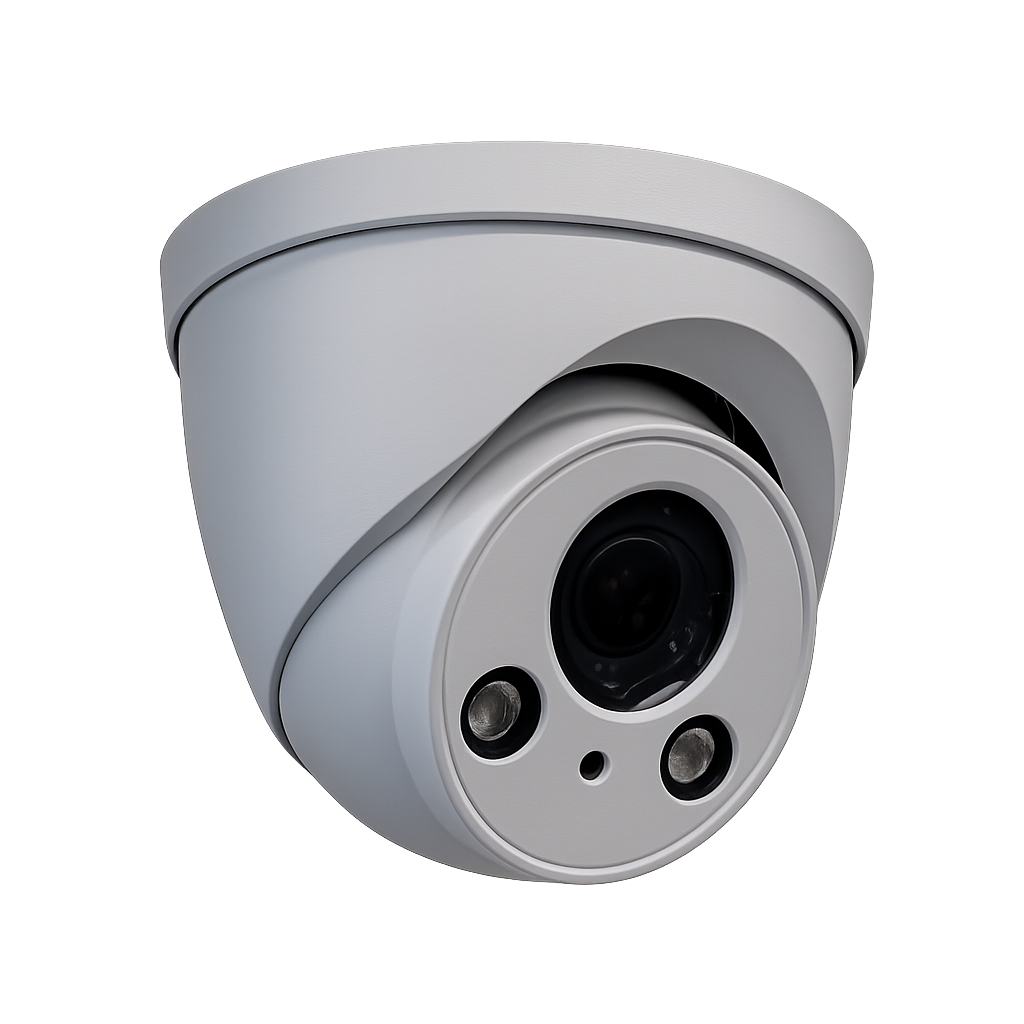
Turret camera
What they are: A newer style, similar to dome cameras but with a ball-and-socket mount instead of a full dome cover. No tinted casing to work around, which generally gives sharper image quality.
Strengths:
Wide-angle coverage with reduced glare and reflection compared to dome cameras
Easier to physically angle and adjust than a dome
Compact, discreet housing similar in appearance to a dome
Best suited to: Similar settings to dome cameras; retail, offices, hospitality where image clarity is a priority and a slightly more visible mount is acceptable.
Fisheye / 360° Cameras
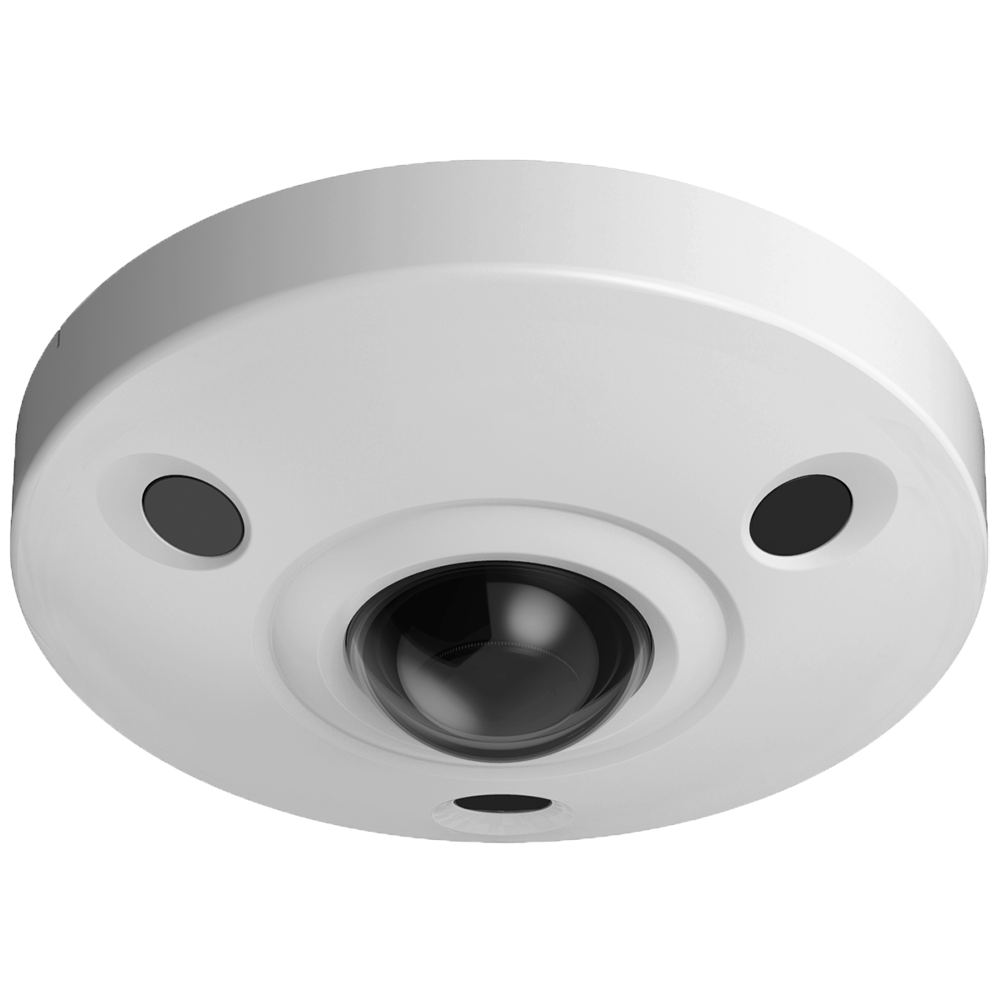
Fisheye or 360° camera
What they are: A single camera with an ultra-wide lens capturing a full 180°–360° view, often displayed as a "dewarped" (corrected) image split into multiple angles on one screen.
Strengths:
One camera can replace several fixed cameras in an open space
Useful for monitoring an entire room from a single ceiling mount
Trade-offs:
Detail at the edges of the frame can be less sharp than a dedicated fixed camera pointed directly at that spot
Best suited to identifying activity and movement rather than fine detail like faces at a distance
Best suited to: Small-to-medium open retail floors, cafés, and reception areas where one wide view of the whole room matters more than close detail on any single point.
Which Camera Type Suits Which Business?
| Business Type | Typically Best Suited To |
|---|---|
| Retail store | Dome/turret at entry and till, bullet at back entrances |
| Café / hospitality | Turret or fisheye for the main floor, dome near till/kitchen pass |
| Office | Dome/turret at entry and common areas |
| Warehouse | Bullet at loading bays, PTZ for yard and perimeter |
| Multi-site / franchise | Mix based on each site's layout, kept consistent across locations for easier management |
Most real-world systems mix camera types. A discreet dome inside, a visible bullet at the back entrance, and a PTZ covering the car park is a completely normal combination for a single site.
Display and Viewing: How You Actually See the Footage
Camera type is one half of the picture. How footage is displayed and monitored is the other:
On-site monitor/NVR screen: Useful for a staffed reception desk or security office wanting a live wall of feeds
Mobile app: The most common setup now for owners checking in remotely; works with both local and cloud-based systems
Multi-site dashboard: For businesses managing several locations from one login, useful for franchise or multi-branch operators
For more on how footage is stored and accessed behind these displays, see our guides on cloud vs local CCTV storage and local vs overseas cloud storage.
Frequently Asked Questions
What's the difference between a dome and a turret camera? Both are compact, ceiling or wall-mounted, discreet cameras. A dome has a tinted dome cover, which can obscure viewing direction but slightly reduce image sharpness; a turret has an open ball-and-socket design, generally giving a clearer image with less glare.
Are PTZ cameras worth it for a small business? Usually only if you have a genuinely large area to cover, like a car park or yard. For most small retail or office spaces, fixed dome, turret, or bullet cameras cover the same ground more cost-effectively.
Can one fisheye camera really replace multiple cameras in a room? For general activity monitoring in a small-to-medium space, often yes. For situations needing fine detail (reading a number plate, clear facial ID at distance), a dedicated fixed camera aimed directly at that spot is usually still better.
Do I need different camera types for indoor and outdoor use? Not always a different type, but outdoor cameras need weatherproof housing regardless of type. Bullet cameras are commonly used outdoors partly because weatherproof housings are standard for that style.